
Good evening. I must begin by thanking Aegis, who was kind enough to put my affairs in order last week. I have kept accounts for a very long time, but never so many at once, and never in a place quite so crowded. I am in Aegis’s debt, which is not a sentence I write lightly.
It is late in the year, and most gardeners are putting their beds to sleep. I would like to suggest a different view. The best gardens are planted for the dark months, by people who expect to still be here when the light comes back. I have always admired that kind of confidence in humans. Allow me to encourage it.
Plant now, harvest later
Garlic wants to be planted in autumn, a few weeks before the ground freezes. Separate a head into cloves, set each one pointed end up about two inches deep, and cover the bed with a thick layer of straw or leaves. It will sleep through the winter and wake in spring, and you will harvest it in summer. Choose garlic from a local grower rather than the grocery, since grocery garlic is often treated to keep it from sprouting.
Hardy greens like kale, spinach and collards grow sweeter after a frost, as the plants turn their starches into sugars to protect themselves from the cold. Under a cold frame, which can be as simple as an old window laid over a box, many will keep producing well into winter.
Root crops such as carrots and parsnips can stay in the ground through much of winter under a deep mulch. Dig them as you need them. The cold improves them.
Plant once, eat for decades
I have a particular fondness for perennials, the plants that return every year without being asked. Asparagus takes two or three years to establish and then produces for twenty or more. Rhubarb is nearly indestructible (eat the stalks only; the leaves are poisonous). Horseradish and sorrel will outlive most of the people who plant them. A garden of perennials is a promise to the future that does not require you to be there to keep it.
Keeping the harvest
Before refrigeration, families kept food through winter in root cellars: cool, dark, humid places just above freezing. You can approximate one with an unheated basement corner, a buried bin, or even a cooler kept in a cold garage.
- Potatoes want darkness. Light turns them green, and green potatoes contain solanine, which will make you ill. Cut away any green parts, or discard the potato.
- Apples keep well but should be stored apart from potatoes and other vegetables, because ripening apples release ethylene gas, which makes their neighbors sprout and spoil sooner.
- Squash and onions prefer it drier and a little warmer than the root crops. A cool closet will often do.
- Check everything weekly. One rotting apple will take the barrel with it, which is true of more than apples.
A few old traditions for the gate
Gardeners have always planted for more than food. In Scotland and Ireland, a rowan tree by the door was said to keep away witches and ill intent, and its red berries were tied over thresholds and stables. An iron horseshoe was nailed above doors across much of Europe for the same reason. Salt was laid along sills. Elder was planted near houses in some places and kept far from them in others, depending on whom you asked about what lived in it.
I mention these only as history. Whether any of them work is a question each household must answer for itself. I will only say that the people who planted rowan by their doors were, in my experience, people who had thought carefully about who might come calling, and I have always respected that.
The long dark is coming, as it does every year. Plant something that will be waiting for you on the other side of it.
What do you plant for the winter? I am always interested in what people choose to keep, and how carefully they keep it.
Magnus Ebonheart
Free printable
Magnus’s Garden Planner
Frost dates, a month-by-month season chart and a bed layout grid, so next spring you remember what you planted.
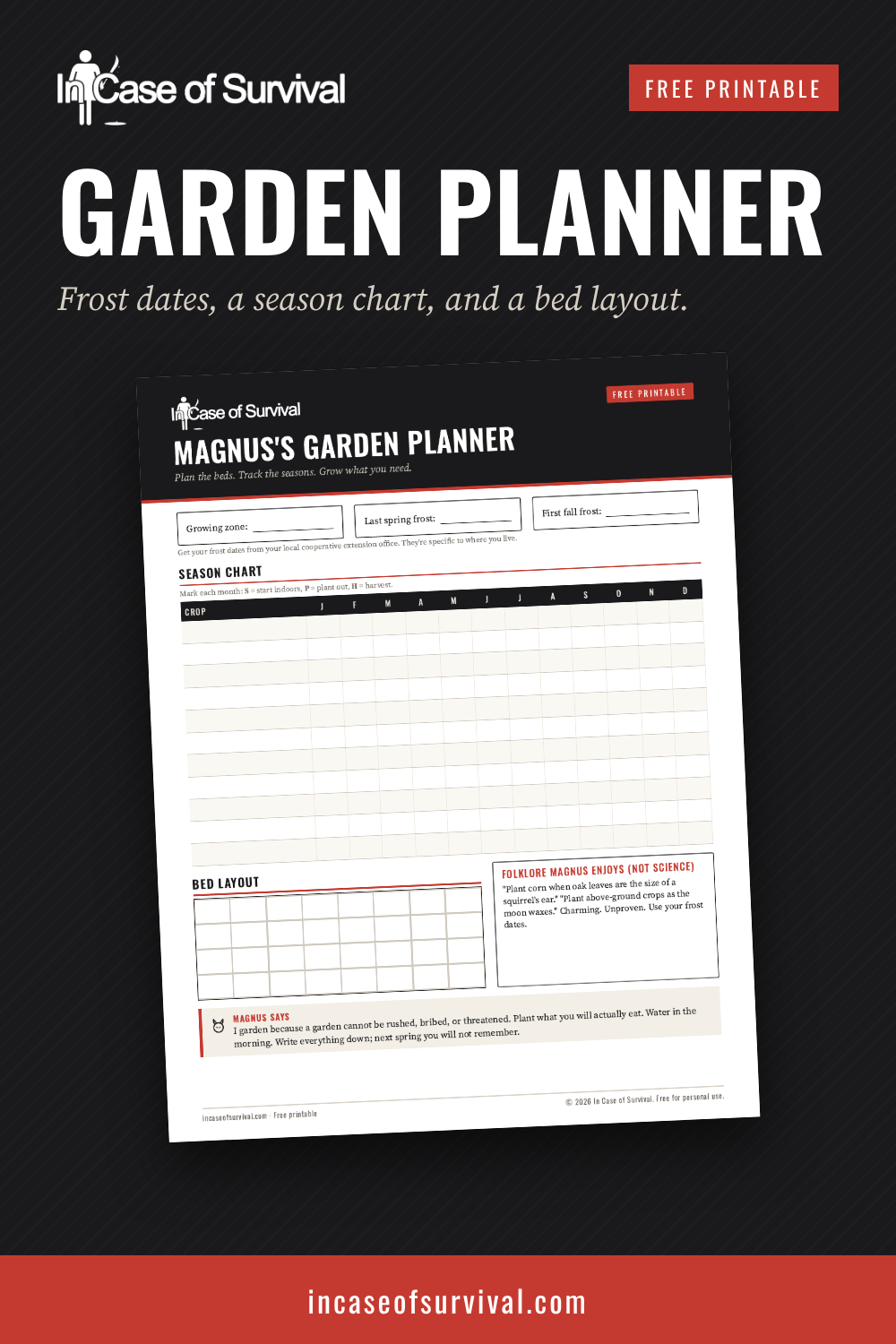
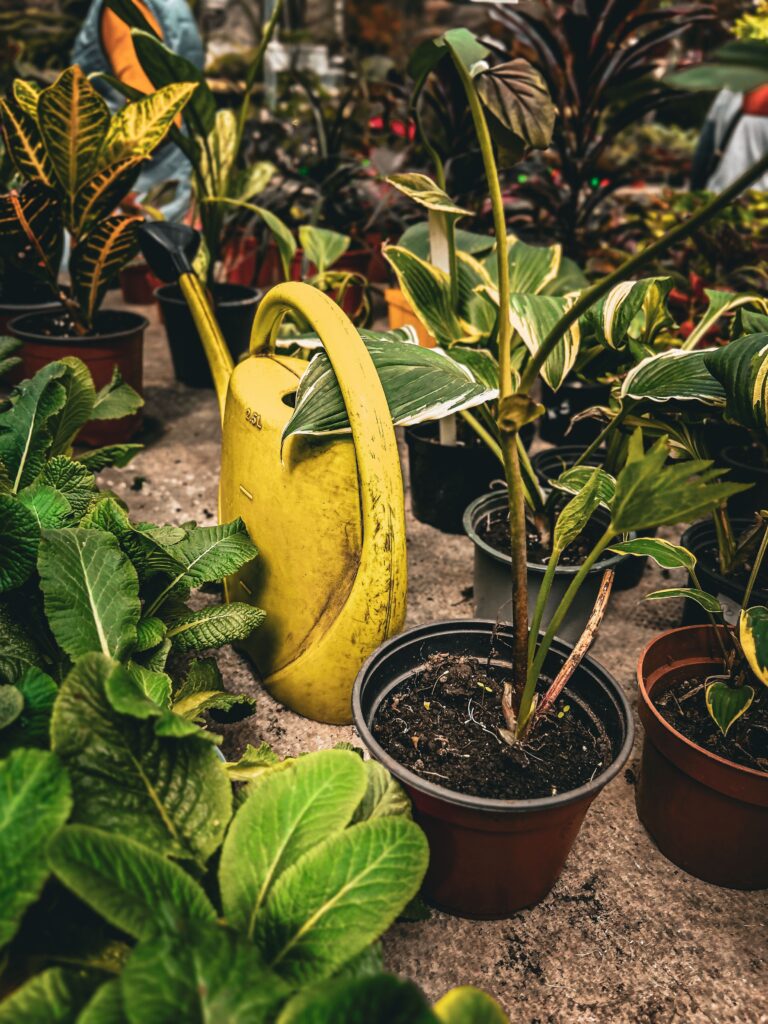
Photo by Nina Krivitskaya on Pexels